Introduction
In digital marketing, businesses often seek quick and measurable results. For this reason, Pay-Per-Click (PPC) advertising has become a widely used strategy. Unlike organic methods, PPC allows businesses to display ads instantly and reach potential customers at the exact moment they are searching. As a result, PPC advertising plays a critical role in generating immediate traffic and conversions.
This blog explains what PPC advertising is, how it works, and why it is an effective tool for driving targeted traffic and business growth.
What Is Pay-Per-Click (PPC) Advertising?
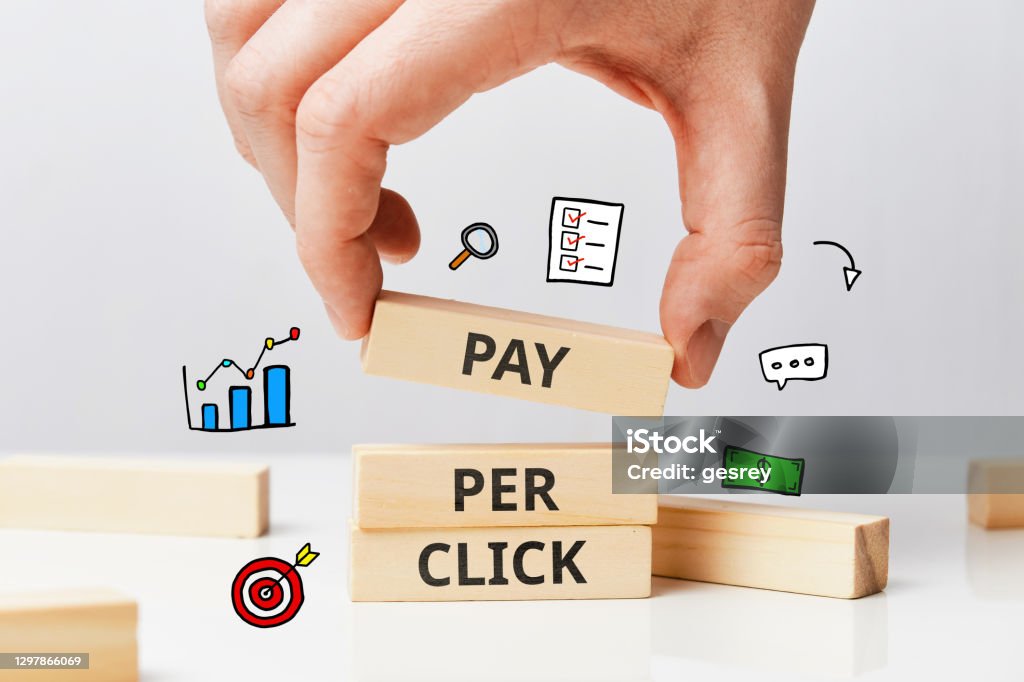
Pay-Per-Click advertising is a digital marketing model where advertisers pay a fee each time their ad is clicked. In simple terms, businesses only pay when users interact with their ads. Most commonly, PPC ads appear on search engines like Google or on social media platforms.
Popular PPC platforms include Google Ads, Bing Ads, Facebook Ads, and Instagram Ads. When managed properly, PPC campaigns deliver high visibility and fast results.
How Does PPC Advertising Work?
PPC advertising operates through an auction-based system. Firstly, advertisers bid on specific keywords related to their products or services. Next, search engines evaluate ad relevance, quality score, and bid amount. Finally, ads are displayed to users based on these factors.
Because of this structure, PPC allows businesses to compete fairly, even against larger brands. Therefore, relevance and quality play a significant role in campaign success.
Benefits of PPC Advertising
1. Instant Visibility
PPC ads provide immediate exposure. Unlike SEO, which takes time, PPC places businesses at the top of search results instantly.
2. Highly Targeted Reach
PPC campaigns allow precise targeting. For example, advertisers can target users based on location, device, interests, and behavior.
3. Measurable Performance
Every aspect of PPC can be tracked. As a result, businesses can measure clicks, impressions, and conversions accurately.
4. Budget Control
Advertisers can control daily and monthly spending. Therefore, PPC works for both small and large businesses.
Types of PPC Advertising
Search Ads
Search ads appear on search engine results pages. Typically, they target high-intent users who are actively searching.
Display Ads
Display ads appear on websites and apps. Meanwhile, they help increase brand awareness through visual promotion.
Social Media Ads
Social media PPC ads focus on audience interests. Consequently, they are effective for engagement and remarketing.
Steps to Create a Successful PPC Campaign
Step 1: Define Campaign Goals
Businesses should start by setting clear objectives. For instance, goals may include lead generation or sales.
Step 2: Conduct Keyword Research
Keyword research identifies relevant search terms. As a result, ads reach the right audience.
Step 3: Create Compelling Ad Copy
Strong ad copy encourages clicks. Most importantly, it should align with user intent.
Step 4: Optimize Landing Pages
Landing pages must be relevant and fast-loading. Therefore, conversion rates improve.
Step 5: Monitor and Optimize
Continuous monitoring helps improve performance. Over time, optimization reduces costs and increases ROI.
Common PPC Mistakes to Avoid
Although PPC is effective, mistakes can reduce results. For example, targeting broad keywords increases costs. Similarly, ignoring quality score lowers ad visibility. Thus, regular analysis is essential.
Conclusion
In conclusion, Pay-Per-Click advertising is a powerful digital marketing strategy for driving instant traffic and measurable results. By using targeted keywords, compelling ads, and optimized landing pages, businesses can achieve strong performance. Over time, a well-managed PPC strategy supports scalable and sustainable growth.
At Adstrio , we help businesses plan and manage data-driven PPC campaigns that maximize visibility, conversions, and return on investment.