
Introduction
Driving traffic to a website is an important achievement. However, traffic alone does not guarantee business success. In many cases, websites receive thousands of visitors but fail to convert them into leads or customers. For this reason, Conversion Rate Optimization (CRO) has become a crucial digital marketing strategy. CRO focuses on improving user experience and guiding visitors toward meaningful actions.
This blog explains what conversion rate optimization is, why it is important, and how businesses can use CRO techniques to increase conversions and revenue.
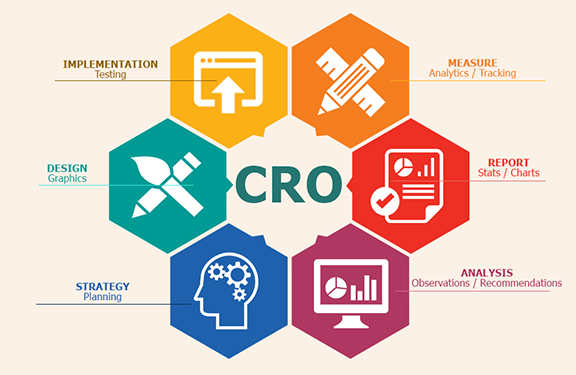
What Is Conversion Rate Optimization (CRO)?
Conversion Rate Optimization is the process of improving a website to increase the percentage of visitors who complete a desired action. In simple terms, CRO aims to turn visitors into customers. These actions, also known as conversions, may include making a purchase, filling out a form, signing up for a newsletter, or downloading a resource.
Unlike traffic-generation strategies, CRO focuses on maximizing the value of existing visitors. As a result, businesses can achieve better results without increasing marketing spend.
Why Is CRO Important for Businesses?
CRO plays a vital role in improving overall marketing performance. To begin with, it helps businesses increase revenue from existing traffic. Moreover, optimized websites provide a better user experience. Consequently, visitors are more likely to trust the brand and take action.
Additionally, CRO supports other digital strategies such as SEO and paid advertising. Because conversion-focused websites perform better, marketing campaigns deliver a higher return on investment. Therefore, CRO is essential for sustainable growth.
Key Elements That Influence Conversion Rates
Website Design and Layout
Website design directly impacts user behavior. For example, clean layouts and clear navigation help users find information easily. As a result, bounce rates decrease and engagement improves.
Page Load Speed
Website speed is a critical factor. If pages load slowly, users are more likely to leave. Therefore, fast-loading websites improve user satisfaction and conversions.
Call-to-Action (CTA)
A strong call-to-action guides users toward the next step. In contrast to vague buttons, clear CTAs improve click-through rates.
Trust Signals
Trust signals such as testimonials, reviews, and security badges increase credibility. Consequently, users feel confident completing actions on the website.
Common CRO Techniques
A/B Testing
A/B testing compares two versions of a webpage. For instance, businesses test different headlines or CTA buttons to identify what performs better.
Improving Landing Pages
Landing pages should focus on a single goal. Therefore, removing distractions helps increase conversion rates.
User Behavior Analysis
Analyzing user behavior reveals pain points. As a result, businesses can optimize layouts and content effectively.
Mobile Optimization
Since many users browse on mobile devices, optimization is essential. Consequently, mobile-friendly designs improve conversions significantly.
Steps to Build an Effective CRO Strategy
Step 1: Identify Conversion Goals
Businesses should clearly define what actions matter most. For example, goals may include form submissions or purchases.
Step 2: Analyze Website Data
Using analytics tools helps understand user behavior. Therefore, data-driven decisions become possible.
Step 3: Create Hypotheses
Based on data insights, businesses should form hypotheses. In this way, testing becomes structured and purposeful.
Step 4: Test and Optimize
Testing changes and measuring results is crucial. Over time, continuous optimization leads to higher conversion rates.
Common CRO Mistakes to Avoid
Despite its benefits, CRO can fail if handled poorly. For example, making changes without data leads to ineffective results. Similarly, focusing only on design while ignoring content reduces impact. Thus, a balanced approach is necessary.
Conclusion
In conclusion, Conversion Rate Optimization is a powerful strategy for improving website performance and business growth. By focusing on user experience, data analysis, and continuous testing, businesses can turn visitors into loyal customers. Over time, CRO helps maximize marketing efforts and drive sustainable revenue growth.
At Adstrio , we help businesses optimize their websites through data-driven CRO strategies that improve conversions, user experience, and long-term digital success.
Learn more at adstrio